

Ingredient Substitution Policy for Bakeries
Published: February 21, 2026
Ingredient shortages are inevitable. The damage happens when substitutions are made ad hoc, without testing or tracking. A substitution policy keeps quality stable, protects margins, and prevents inconsistent batches.
Use this guide to create a clear, practical policy your team can follow during shortages.
Define your substitution rules
Start with clear boundaries. Not every ingredient can be swapped without impact.
Set rules by category:
- Never substitute: Signature flavor components, specialty inclusions, protected allergens
- Limited substitute: Flour types, fats, leaveners
- Open substitute: Packaging, minor inclusions, garnishes
These categories keep decisions fast and consistent.
Build an approved alternate list
For each critical ingredient, list approved alternates with exact specs.
Include:
- Supplier name and SKU
- Protein or fat percentage
- Packaging size and unit
- Approved use cases
This stops the “grab whatever is available” pattern that causes quality drift.
Require a quick test bake
Before a new ingredient goes into full production, run a small test. This should be standard, not optional.
Test checklist:
- Mix and dough handling
- Proof time changes
- Bake color and texture
- Taste and aroma
Document the test result. If it fails, the alternate is not approved.
Control the cost impact
Substitutions can quietly raise costs. Require a quick cost check before approval.
Cost check inputs:
- New ingredient unit cost
- Yield impact or absorption changes
- Expected waste or shrink
If the cost delta is significant, update price or reduce usage elsewhere.
Communicate substitutions to the floor
Make the change visible where it matters.
Best practices:
- Print a substitution notice at the station
- Update the recipe card with a temporary note
- Alert packing if appearance changes
This prevents small changes from becoming quality complaints.
Set a time limit
Substitutions should expire unless renewed.
Recommended rule:
- Substitution expires after 30 days or when primary ingredient returns
This keeps the team from treating a temporary change as permanent.
Track customer impact
If a substitution changes flavor or texture, monitor feedback and returns. If complaints rise, adjust quickly.
Track:
- Returns by product
- Customer notes or complaints
- Sales dips for the affected SKU
If the change hurts brand trust, revert or reformulate.
Store it in your system
A substitution policy only works if it is stored in the same place as your recipes and prep sheets.
Create a simple record:
- Ingredient name
- Approved alternate
- Effective dates
- Test result
- Cost impact
This gives your team a single source of truth when supplies are tight.
Try Diced OS to manage recipes, track substitutions, and keep quality consistent even during shortages. Diced OS
Related posts
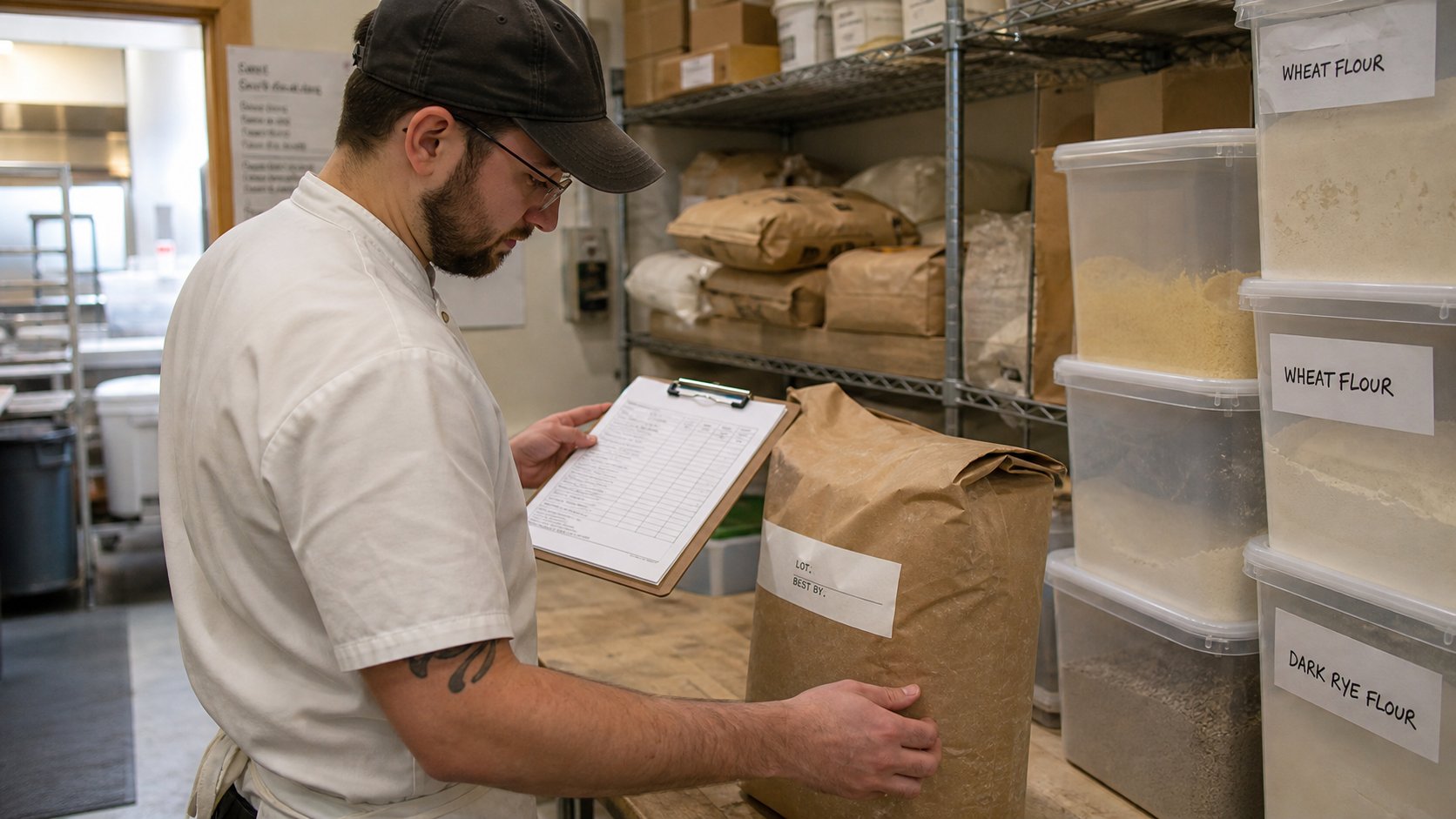
Bakery Lot Traceability: A Practical Recall-Ready System for Small Teams

Bakery Supplier Scorecard Template: Evaluate Vendors Beyond Price
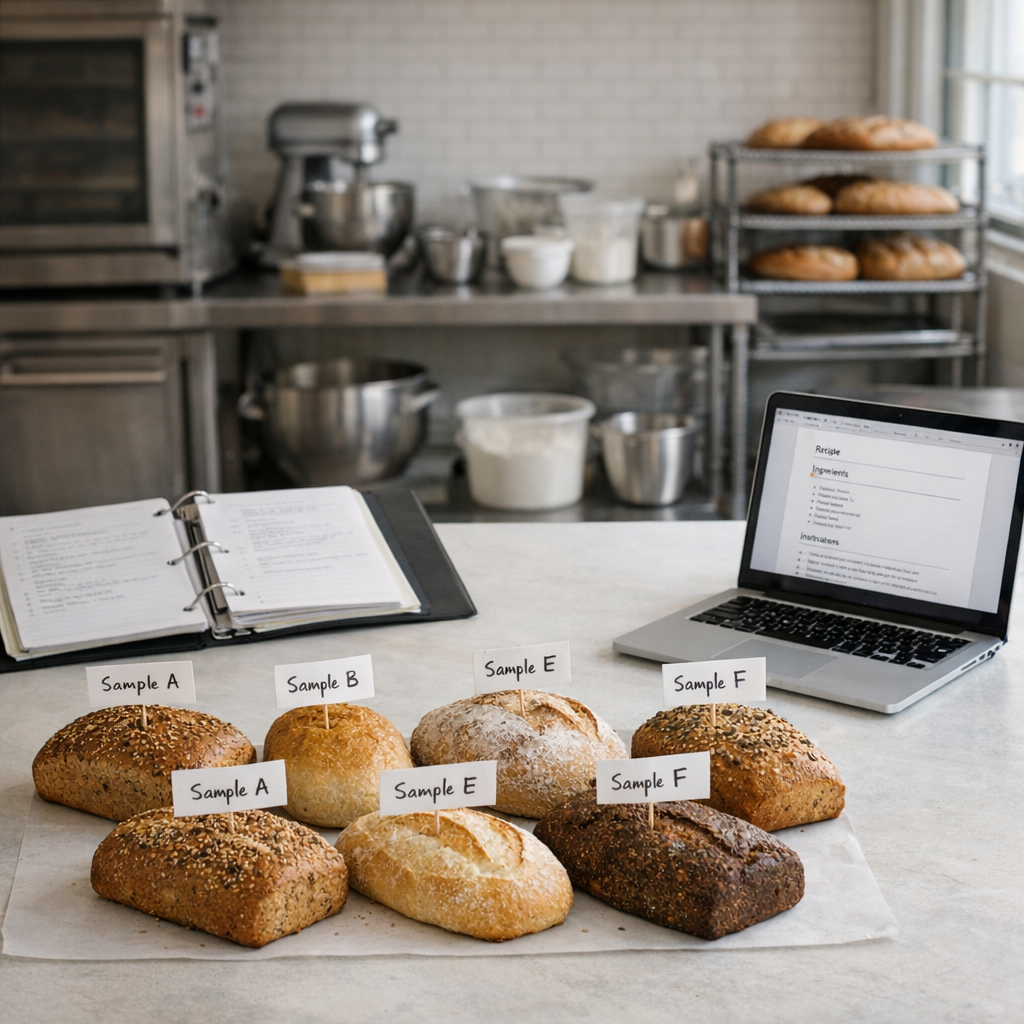
Recipe Version Control for Multi-Location Bakeries

Bakery Shift Handoff Checklist That Prevents Morning Surprises