
Bakery Supplier Scorecard Template: Evaluate Vendors Beyond Price
Published: March 18, 2026
Most bakeries compare suppliers by invoice price first. That is understandable, but incomplete.
A lower unit cost can still hurt margin if deliveries are late, quality varies, or order errors force emergency buying.
A supplier scorecard gives you a repeatable way to evaluate true supplier performance.
Why a Scorecard Matters
When vendor decisions are ad hoc, teams often react to the last issue instead of long-term performance.
A scorecard helps you:
- Compare suppliers objectively
- Spot hidden cost drivers early
- Reduce emergency substitutions
- Support better negotiation with data
The 5 Criteria to Score
Use a 100-point system with weights that reflect bakery reality.
1) Quality Consistency (30 points)
Score based on acceptance rate, defect frequency, and lot consistency.
Questions:
- How often do lots fail your standard?
- Is product quality stable week to week?
2) Delivery Reliability (25 points)
Measure on-time delivery and complete delivery rates.
Questions:
- Are deliveries within agreed windows?
- Are quantities and SKUs correct?
3) Total Cost Competitiveness (20 points)
Not only unit price. Include freight, minimums, surcharges, and rush fees.
Questions:
- What is the all-in cost per usable unit?
- Are there frequent extra fees?
4) Lead Time and Flexibility (15 points)
How fast and how reliably can the supplier adjust?
Questions:
- Can they support volume spikes?
- Do they recover quickly from shortages?
5) Communication and Issue Resolution (10 points)
Supplier responsiveness affects downtime and stress.
Questions:
- How quickly are issues acknowledged?
- Are credits and replacements handled smoothly?
Sample Scorecard Table
| Supplier | Quality (30) | Delivery (25) | Total Cost (20) | Flexibility (15) | Communication (10) | Total (100) |
|---|---|---|---|---|---|---|
| Supplier A | 26 | 22 | 15 | 11 | 8 | 82 |
| Supplier B | 22 | 18 | 19 | 9 | 7 | 75 |
| Supplier C | 28 | 24 | 13 | 13 | 9 | 87 |
Supplier C is not the cheapest, but may be best overall when reliability and quality are weighted correctly.
Implementation Steps
Step 1: Choose Priority Ingredients
Start with categories that materially affect cost and service:
- Butter and dairy
- Flour categories
- Chocolate and inclusions
Step 2: Set Review Frequency
Monthly is a good starting cadence. Quarterly is often too slow for active operations.
Step 3: Gather Inputs from Three Teams
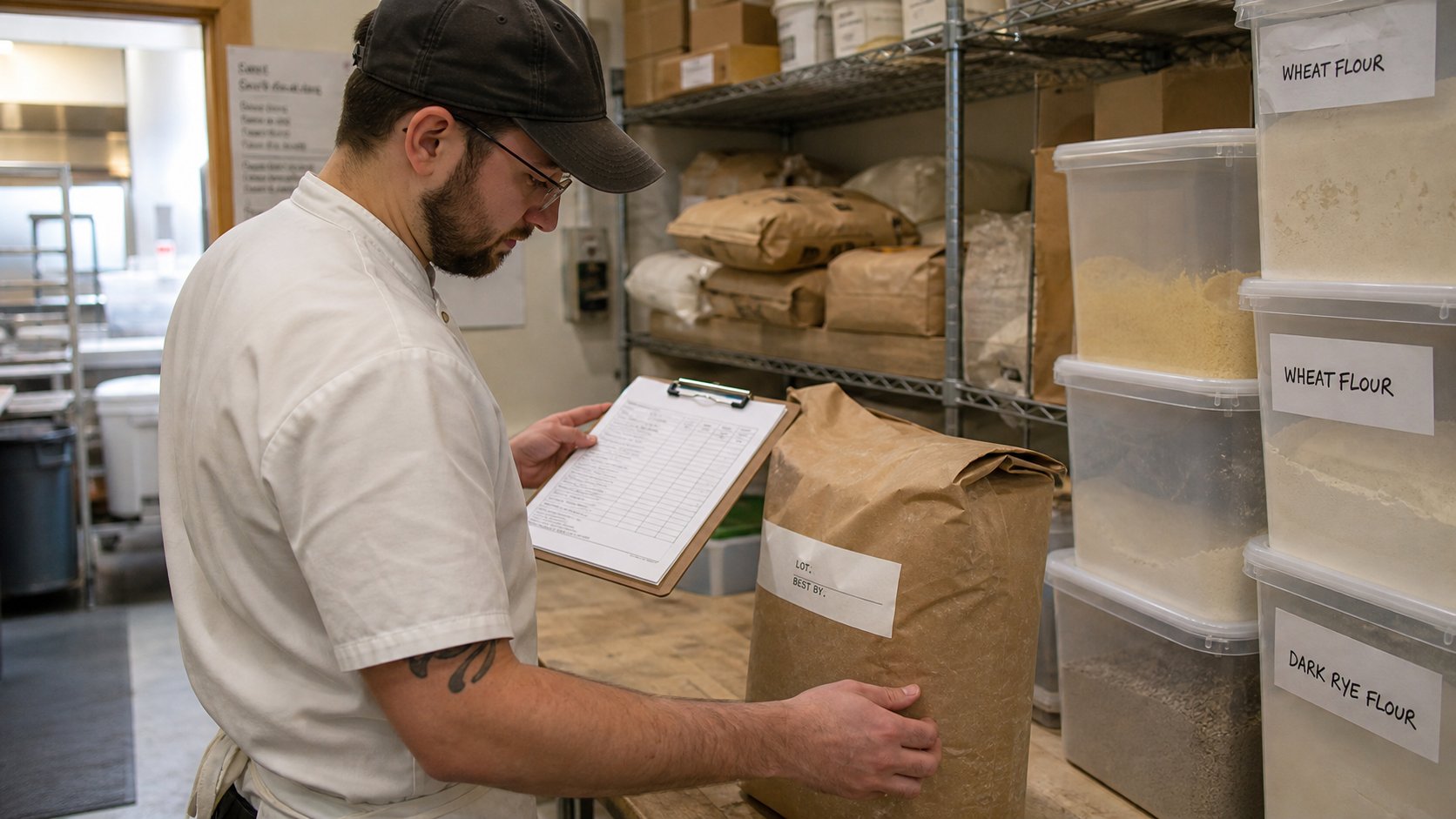
- Receiving: quality and fill accuracy
- Production: usability and consistency
- Purchasing/finance: price and fee behavior
A cross-functional view prevents one-sided scoring.
Step 4: Define Threshold Actions
For example:
- 85+: preferred supplier
- 75-84: active but monitor
- Below 75: corrective action plan or alternate source
Clear thresholds turn scoring into decisions.
Mistakes to Avoid
Overweighting Unit Price
If price dominates the model, you recreate the same blind spot.
Scoring from Memory
Use actual incidents and records, not opinions from a stressful week.
Keeping Weights Static Forever
Adjust weights when business priorities change. During volatility, reliability might deserve a higher weight.
How the Scorecard Improves Negotiation
Data improves supplier conversations.
Instead of saying, “service has been rough,” you can say:
- OTIF dropped from 95% to 88% over six weeks
- Defect rate doubled on two product lines
- Rush fee spend increased 23% month over month
Specific evidence creates better outcomes than general frustration.
Where Diced OS Fits
Diced OS helps keep supplier performance visible and actionable:
- Track purchasing outcomes and usage impact
- Connect supplier reliability to production performance
- Review cost and operational trends together
A good supplier scorecard does not eliminate risk, but it helps you choose partners that protect quality and margin over time.
Want better visibility into purchasing and operational impact? Try Diced OS: http://dicedos.com/
Related posts

Ingredient Substitution Policy for Bakeries
Bakery Prep List by Station: Keep Mixing, Shaping, Baking, and Packing in Sync
Bakery Standing Orders for Wholesale Accounts: Keep Recurring Deliveries Accurate
Bakery Purchase Order Approval Workflow: Control Spend Without Slowing Production