Bakery Prep List by Station: Keep Mixing, Shaping, Baking, and Packing in Sync
Published: June 6, 2026
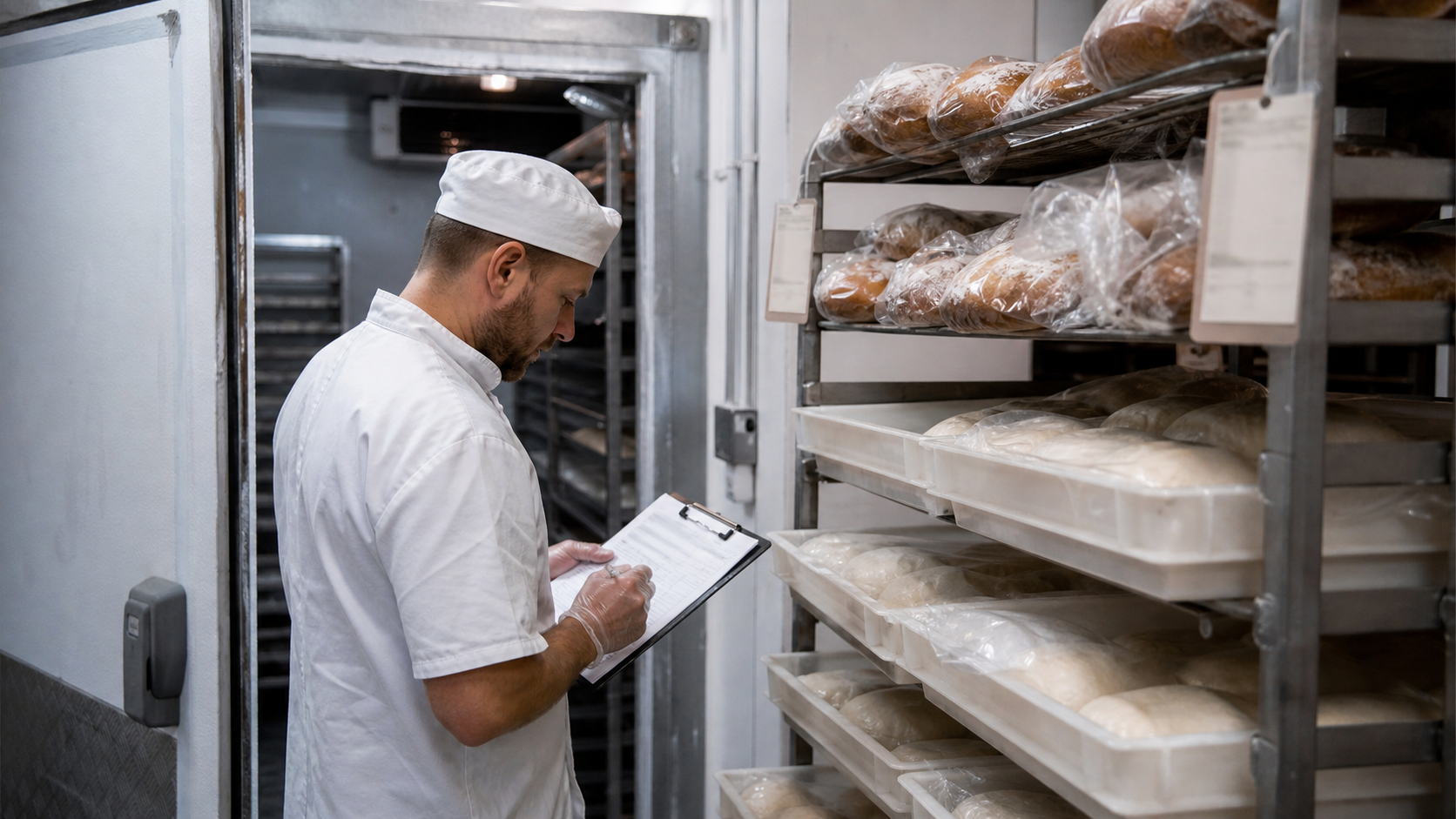
A bakery can have the right recipes, the right orders, and the right people but still lose time because stations are not ready when production starts.
Missing trays, unscaled ingredients, late packaging, or unclear priorities create small delays that multiply across the morning.
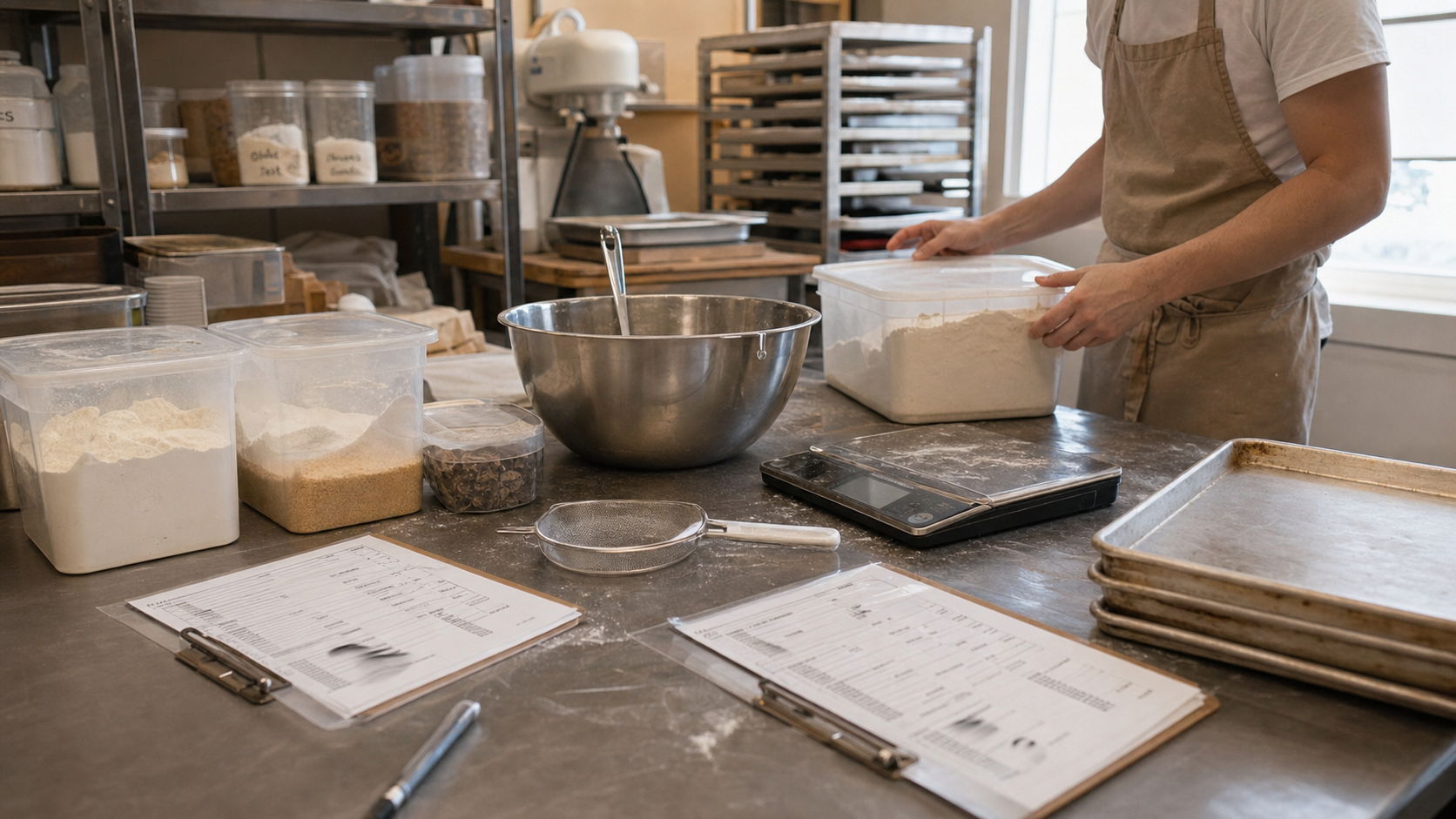
A bakery prep list by station turns the production plan into practical setup work for each team.
Why One Master Prep List Is Not Enough
A single list may work in a very small bakery. As volume grows, teams need station-specific detail.
The mixing team needs flour, preferments, inclusions, bowls, and batch sequence.
The shaping team needs bench space, trays, pans, cutters, toppings, and proofing capacity.
The packing team needs labels, boxes, bags, route groupings, and order notes.
When all of that is jammed into one list, people miss the details that matter to their station.
Core Bakery Stations
Most bakeries can start with five prep lists:
- mixing
- shaping or makeup
- baking
- finishing
- packing or dispatch
Add specialty stations only if they need separate setup, such as pastry, cake decorating, sandwich assembly, or freezer pull.
What Each Station Prep List Should Include
Mixing
- batch sequence
- recipe versions
- scaled ingredients
- preferments or starters
- mixer assignment
- bowl and tub needs
- allergen controls
- target dough temperature
Shaping
- product priority order
- trays, pans, molds, or forms
- portion size
- toppings and fillings
- bench tools
- proofing location
- expected count
Baking
- oven schedule
- bake temperatures
- rack timing
- steam requirements
- rotation notes
- pull times
- quality checks
Finishing
- glazes, icings, toppings, and garnishes
- cooling requirements
- slicing or portioning
- product-specific quality standards
- hold or release status
Packing
- customer orders
- route sequence
- labels
- bags, boxes, liners, and trays
- special instructions
- short-count escalation
The list should tell each station what must be ready before work begins.
Tie Prep to the Production Plan
The prep list should not be a separate document that someone updates from memory.
It should come from:
- confirmed orders
- standing order exceptions
- production schedule
- recipe requirements
- packaging requirements
- delivery routes
If the production plan changes, the station prep lists should change too.
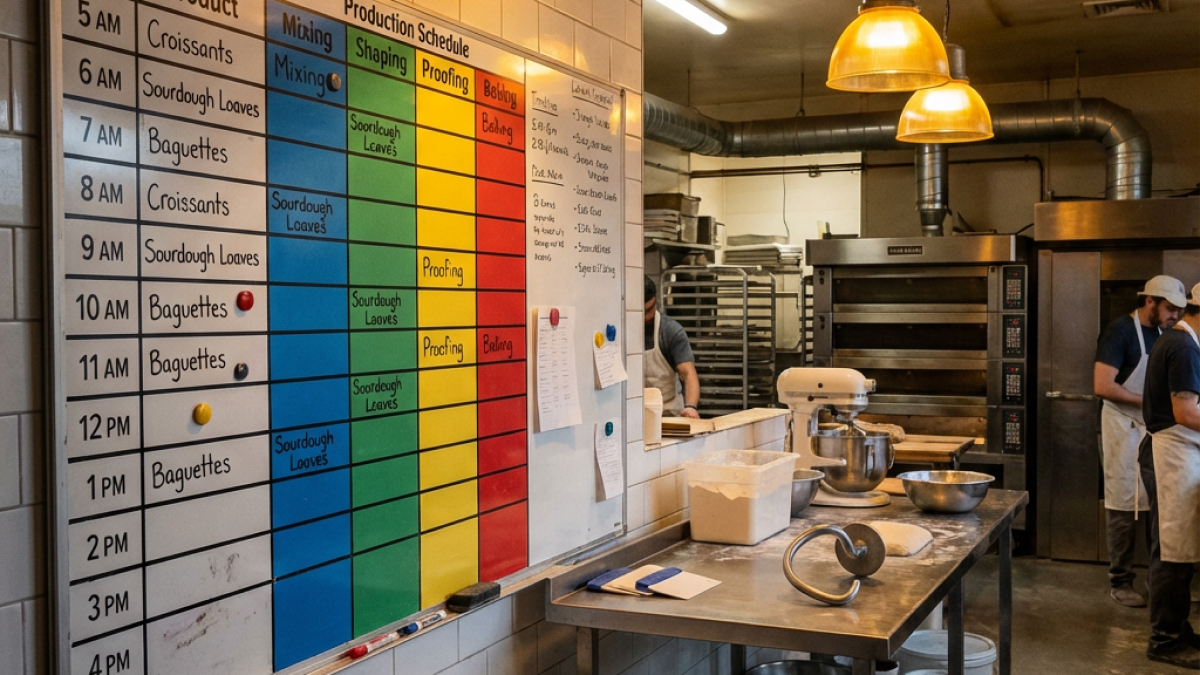
Use Time Windows
Prep lists work better when they include timing.
Example:
| Time | Station | Prep item | Owner |
|---|---|---|---|
| 4:30 a.m. | Mixing | Scale first dough batch | Mixer |
| 5:00 a.m. | Shaping | Set croissant trays | Pastry lead |
| 6:00 a.m. | Baking | Preheat deck oven | Baker |
| 7:15 a.m. | Packing | Stage cafe route boxes | Dispatch |
Time windows reduce the common problem of everything being "important" at once.
Add Readiness Checks
Before production starts, each station should answer:
- Are ingredients ready?
- Are tools and trays ready?
- Is the latest order count visible?
- Are allergens or special instructions flagged?
- Is packaging available?
- Is there a blocker that affects another station?
A two-minute readiness check can prevent a 20-minute delay.
Make Blockers Visible
Prep lists should include a place to mark blockers:
- missing ingredient
- missing packaging
- equipment not ready
- unclear order
- staffing gap
- quality hold
Blockers need an owner. Otherwise, the list becomes a record of problems instead of a way to solve them.
Keep the List Short Enough to Use
A station prep list is not a training manual. It should be scannable during a shift.
Good prep list items are:
- specific
- owned
- time-bound
- connected to actual orders
- easy to mark complete
Bad prep list items are vague:
- "get ready"
- "check ingredients"
- "finish prep"
- "make sure packing is okay"
The more specific the list, the less interpretation is needed during the rush.
Weekly Review
At the end of the week, ask:
- Which prep misses delayed production?
- Which station had repeated blockers?
- Which items should be added or removed?
- Which order changes did not reach the station list?
- Which packaging or ingredient shortages were preventable?
Update the lists based on real friction.
30-Day Setup Plan
- Pick the busiest production day.
- Break the work into stations.
- Write the minimum prep list for each station.
- Assign owners and time windows.
- Run the lists for one week.
- Track blockers.
- Remove unused items and add missing ones.
Station prep lists should make production calmer, not more bureaucratic.
Try Diced OS to turn confirmed orders into station prep lists, bake sheets, and packing workflows your team can actually run. Diced OS
Related posts

Bakery Shift Handoff Checklist That Prevents Morning Surprises
Streamlining Wholesale Bakery Operations: A Guide to Efficiency
How to Scale Your Wholesale Bakery Business Without Chaos
The Ultimate Guide to Bakery Production Planning