Bakery Batch Record Template: Capture What Actually Happened in Production
Published: May 21, 2026
Recipes describe what should happen. Batch records capture what actually happened.
That difference matters. A batch may use a different flour lot, produce lower yield, require extra mix time, run late because the proofer was full, or need a quality adjustment before packing. If those details stay in someone's head, they cannot improve the next batch.
A bakery batch record gives your team a practical production history.
What a Batch Record Should Do
A good batch record helps you:
- confirm the right recipe version was used
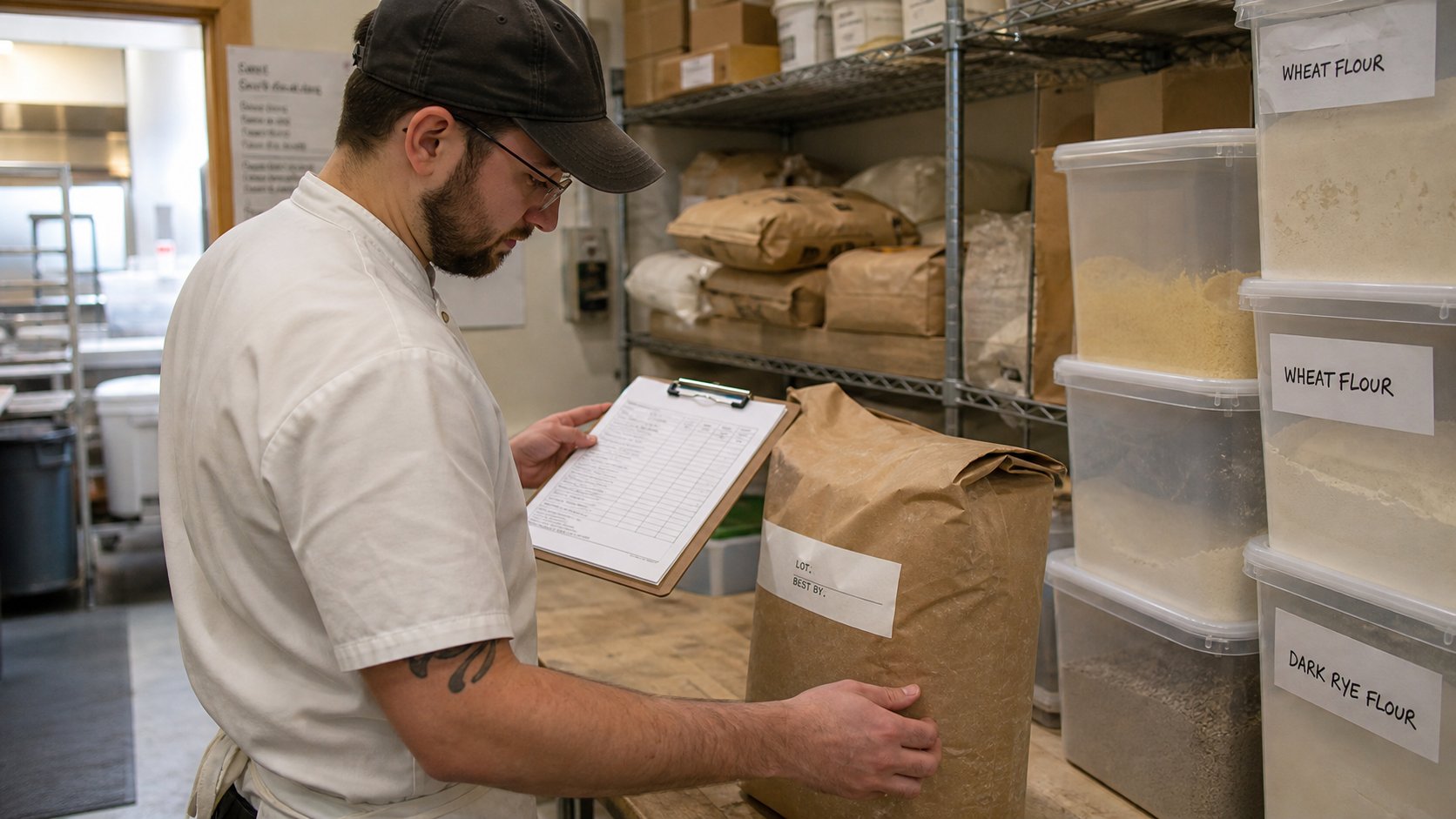
- track ingredient lots
- compare expected yield to actual yield
- document production issues
- connect finished goods to orders
- support quality reviews
- train new staff with real examples
It should be short enough to use during a shift. If the form takes longer than the work, the team will skip it.
The Core Batch Record Fields
Start with these fields:
- batch ID
- production date
- product or recipe name
- recipe version
- planned quantity
- actual quantity
- operator
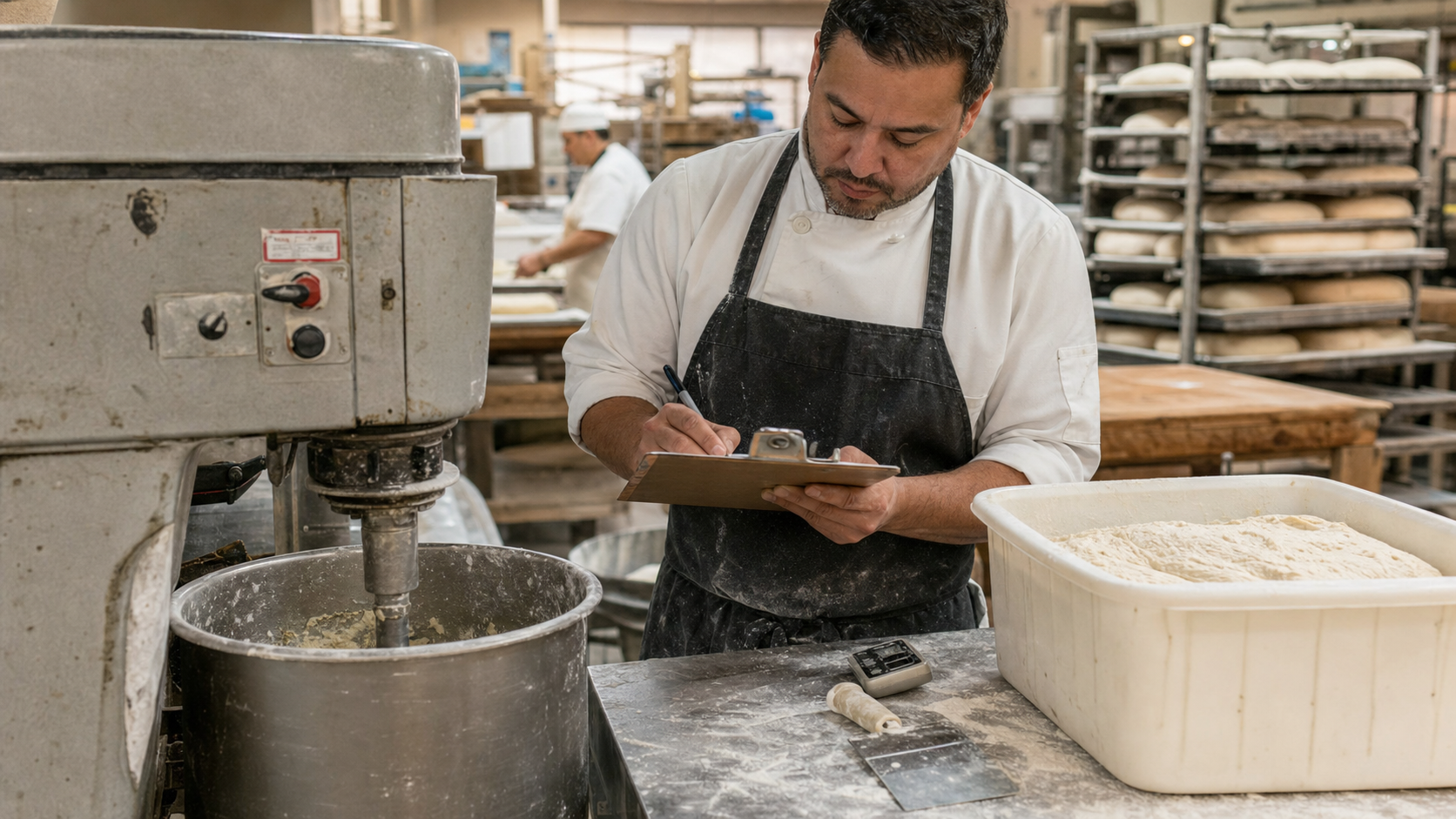
- station or equipment used
- ingredient lots used
- start time and finish time
- quality check result
- notes and corrective actions
Keep the batch ID format consistent. For example:
YYYYMMDD-SKU-SEQUENCE
A sourdough batch on May 21, 2026 could be:
20260521-SOUR-01
Simple IDs are easier to write, search, and read under pressure.
Track Expected vs Actual Yield
Yield variance is one of the most useful parts of a batch record.
Formula:
Yield variance = actual yield - expected yield
If the recipe should produce 240 rolls and the batch produces 226 sellable rolls, the variance is -14 rolls.
Then capture the likely reason:
- dough temperature issue
- scaling error
- trim waste
- overproofing
- oven loss
- breakage during packing
Patterns matter more than one bad batch. If a product misses yield every week, the recipe, process, or standard needs review.
Record Quality Checks Where They Happen
Do not save quality notes for the end of the day. Put them inside the batch record.
Useful checks:
- dough temperature
- proof time
- bake time
- internal temperature when relevant
- finished weight
- appearance
- packaging condition
Use checkboxes where possible and notes only when needed. A record full of blank narrative fields will not survive a busy shift.
Capture Corrective Actions
When something goes wrong, write what the team did.
Examples:
- extended bake by 4 minutes
- held batch for manager review
- reduced pack quantity after damage
- switched to approved alternate ingredient
- reworked dough into different SKU
Corrective actions help future teams see how problems were handled. They also reduce repeated debates about what happened last time.
Review Batch Records Weekly
Set a weekly 20-minute review.
Look for:
- repeated yield misses
- recurring quality notes
- late batches
- ingredient lots tied to performance issues
- products requiring frequent corrective action
- operators who need extra training or clearer instructions
The point is not paperwork completion. The point is operational learning.
Try Diced OS
Diced OS helps bakeries connect recipes, ingredient costs, production planning, and operating records so the team can move from memory-based production to cleaner systems.
Try Diced OS and give your bakery a better way to learn from every batch.
Related posts
Bakery Production Variance Report: Compare Planned vs. Actual Output
Bakery Labor Standards by SKU: Know Which Products Eat the Schedule
Bakery Preventive Maintenance Calendar: Stop Equipment Issues Before the Rush
Bakery Purchase Order Approval Workflow: Control Spend Without Slowing Production