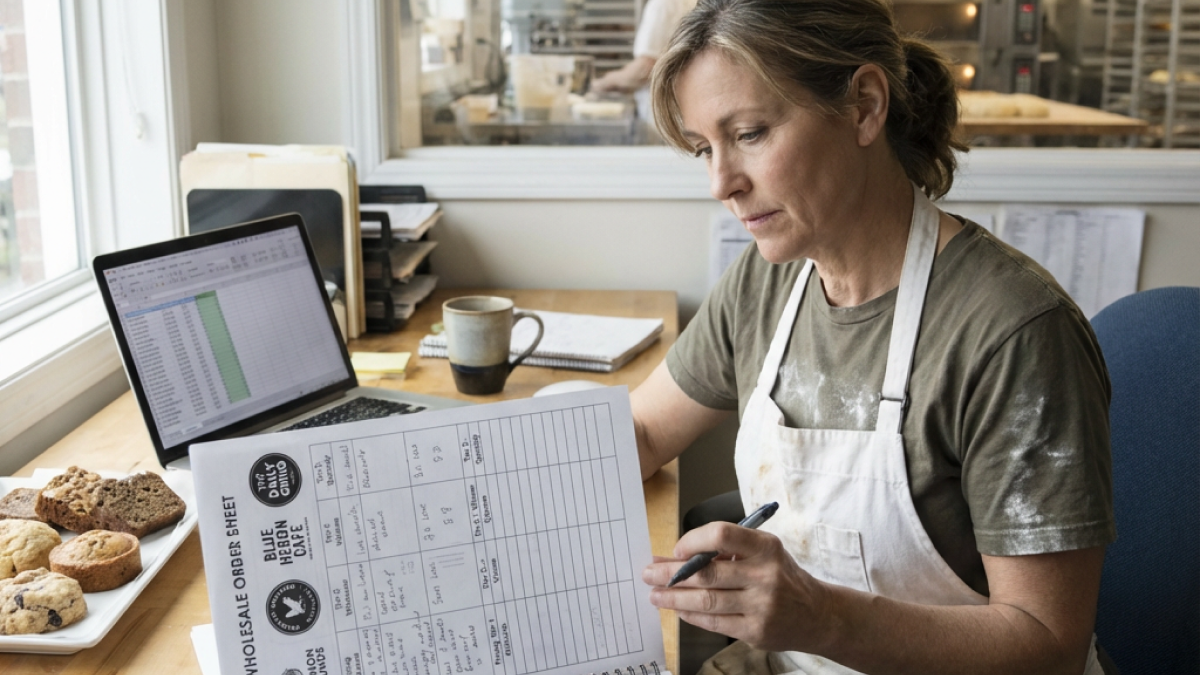
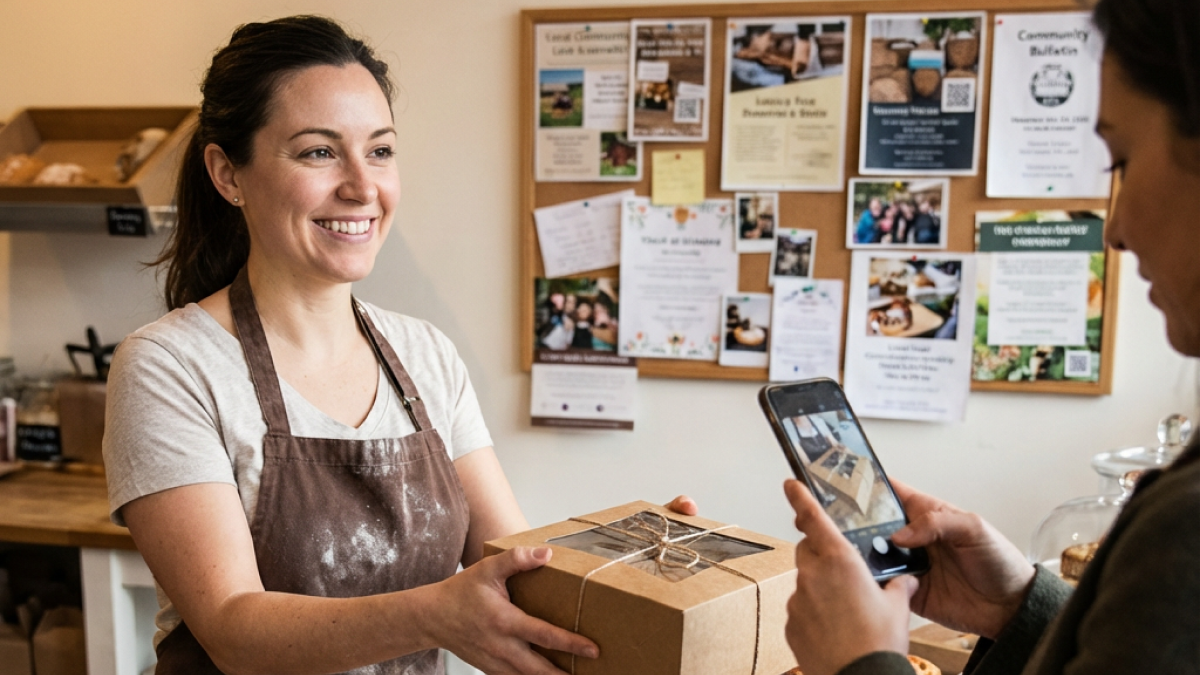
Bakery Marketing on a Tight Budget: What Actually Works
Published: December 11, 2025
A bakery owner once asked me what marketing budget she should set aside. "Everyone says you need to spend money to make money," she said. "But I can barely make payroll some months."
Here's what I told her: the best bakery marketing doesn't require a budget. It requires effort, consistency, and a willingness to let your products speak for themselves.
This might sound like feel-good advice, but it's grounded in reality. I've watched bakeries with zero marketing budget build loyal followings, while others spent thousands on ads with nothing to show for it. The difference wasn't money—it was approach.
Small bakeries have inherent advantages over large chains: authenticity, community connection, craft, and story. Lean into these, and you can build a brand that no amount of corporate advertising can replicate.
This guide covers practical bakery marketing tactics that cost more in time than money—perfect for bakery businesses where every dollar matters.
Why traditional advertising often fails for bakeries
Before diving into what works, let's understand why much bakery advertising doesn't.
The trust problem
Paid advertising is inherently untrusted. People know you're paying to put a message in front of them, so they discount it accordingly.
For bakeries, this is especially problematic. The decision to buy baked goods is emotional and sensory—you want to smell the bread, see the croissants, imagine the taste. An ad can't deliver that experience.
The targeting problem
Unless you're doing sophisticated digital advertising (expensive and complex), traditional ads reach mostly people who will never become your customers:
- Newspaper ads reach entire regions when your customers are local
- Direct mail hits households that don't eat your products
- Radio covers areas far beyond your delivery range
You pay for eyeballs and ears that will never convert.
The frequency problem
Marketing works through repetition. One ad rarely convinces anyone. But sustained advertising campaigns require sustained budgets—something most bakery business operations can't support.
A half-hearted advertising campaign might be worse than nothing—you spend money without reaching the frequency needed for impact.
What actually drives bakery customer acquisition
Research and experience point to the same sources:
- Word of mouth (50-60% of new customers)
- Walking/driving by (15-25% for retail)
- Online discovery (10-20%, mostly search and reviews)
- Referrals from existing accounts (significant for wholesale)
- Traditional advertising (under 10%, and declining)
Your marketing strategy should allocate effort according to where customers actually come from.
Word of mouth: your most powerful channel
Word of mouth is responsible for the majority of bakery customer acquisition. The question is how to cultivate it.
The product is the marketing
Exceptional products generate conversation. Mediocre products don't.
Before investing in marketing tactics, ensure your products are truly remarkable:
Are they visibly distinctive? Products that look special get photographed, shared, and discussed. Commodity-looking products disappear.
Do they exceed expectations? The gap between expectation and experience creates word of mouth. Slightly better than average doesn't get mentioned. Dramatically better does.
Is there a story? Products with stories—heritage recipes, unique ingredients, specific techniques—give customers something to talk about.
Do they create ritual? Products that become part of regular routines ("Saturday morning croissants") build the repeated positive experiences that drive referrals.
The best marketing investment for most bakeries is making products worth talking about.
Making it easy to spread the word
Word of mouth needs fuel. Provide it:
Give customers something to share
- Business cards they can hand out
- Beautiful packaging that looks gift-worthy
- Products that photograph well
Create shareable moments
- Seasonal specials that create urgency
- Limited editions that feel exclusive
- New product launches that give regulars something to tell friends about
Ask for referrals Simply asking satisfied customers to refer friends increases referral rates significantly. "If you know anyone who would enjoy our bread, we'd love to meet them" costs nothing and works.
Make referrals rewarding Consider a simple referral program:
- "Bring a friend, and you both get a free cookie"
- Wholesale: "Introduce us to another café, and get 10% off your next month"
Converting word of mouth for wholesale bakery accounts
Word of mouth works for B2B too:
Industry relationships Café owners know other café owners. Restaurant managers talk. A good reputation in local hospitality circles generates leads.
Strategic visibility When your products are featured in a well-regarded café, their customers notice. Some of those customers own businesses that might also need your products.
Ask for introductions Happy wholesale customers can introduce you to other potential accounts. Ask: "Do you know other cafés or restaurants that might benefit from our products?"
Local visibility: be present in your community
For bakeries, especially those with retail presence, local visibility matters enormously.
Physical presence and signage
Make your location discoverable
- Clear, attractive signage visible from the street
- A-frame signs that catch pedestrians
- Window displays that draw people in
Exterior appeal
- Keep the storefront clean and inviting
- Fresh awnings and paint if needed
- Lighting that works for early morning and evening
The smell factor If you have a retail location, vent your baking aromas outside. Nothing markets a bakery better than the smell of fresh bread.
Local event presence
Farmers markets
- Regular presence builds recognition
- Direct customer feedback
- Lower cost than permanent retail space
- Cross-promotion with other vendors
Community events
- Festivals and fairs
- Charity fundraisers
- School events
- Business association gatherings
Show up consistently. Becoming a familiar face builds trust that converts to customers.
Local partnerships
Partner with complementary local businesses:
Coffee shops without bakery programs They need pastries; you make pastries. Wholesale relationship with visibility benefits.
Specialty food stores Placement on their shelves reaches new customers.
Local restaurants Bread service relationships that demonstrate quality.
Non-food businesses Provide treats for real estate open houses, car dealership customer lounges, office buildings.
Each partnership extends your reach into new customer groups.
Digital presence: the essentials that cost nothing
You don't need expensive digital marketing, but you do need digital presence.
Google Business Profile
This is mandatory and free. A complete Google Business Profile means you appear when people search "bakery near me" or "croissants [your city]."
Essentials:
- Accurate business name, address, phone
- Hours of operation (keep updated!)
- Category (Bakery) and attributes
- High-quality photos (at least 10-15)
- Products/menu listings
Ongoing maintenance:
- Respond to every review (positive and negative)
- Post updates weekly (new products, specials, seasonal items)
- Add new photos regularly
- Answer questions promptly
This single platform may generate more new customers than any other digital effort.
Reviews management
Reviews influence decisions. Manage them actively:
Earning reviews
- Ask satisfied customers to leave reviews
- Make it easy (links on receipts, follow-up emails)
- Respond to every review with thanks
Handling negative reviews
- Respond promptly and professionally
- Acknowledge the concern
- Offer to make it right
- Take detailed discussion offline
A business that responds thoughtfully to criticism often builds more trust than one with only positive reviews.
Social media reality check
Let's be honest: social media marketing is harder than it looks. Before committing to multiple platforms, understand what you're getting into.
What works:
- Beautiful photos of products (Instagram, Facebook)
- Behind-the-scenes content (humanizes your bakery)
- Announcements (new products, specials, hours changes)
- Community engagement (responding to comments, sharing customer posts)
What requires significant effort:
- Consistent posting schedule
- High-quality content creation
- Community management
- Platform-specific optimization
Realistic approach for small bakeries: Pick one platform. Post 3-4 times per week. Prioritize quality over quantity. Engage with your community.
For most bakeries, Instagram makes sense—it's visual, and food photographs well.
Website basics
A website isn't optional, but it doesn't need to be expensive.
Minimum viable website:
- Who you are and what you make
- Where to find you (address, hours, wholesale contact)
- How to contact you
- Current menu/products
- Mobile-friendly design
You can build this with Squarespace, Wix, or similar platforms for under $200/year.
What you don't need:
- E-commerce (unless you actually sell online)
- Fancy animations and features
- Professional photography (phone photos can work)
- Perfect copywriting
Simple, accurate, and current beats elaborate and outdated.
Content marketing that doesn't feel like marketing
Content marketing works for bakeries because there's genuine interest in what you do.
Behind-the-scenes content
People are fascinated by baking processes:
What to share:
- Early morning production
- Laminating croissant dough
- Shaping bread loaves
- Seasonal product development
Where to share:
- Social media posts and stories
- Website blog posts
- Local media (they love bakery features)
This content costs nothing beyond the time to capture it, and it builds the connection that drives loyalty.
Educational content
Share your expertise:
Topics that resonate:
- How to store bread properly
- Why your croissants taste different
- What makes good flour
- Seasonal ingredients you're excited about
Formats:
- Quick social media tips
- Blog posts for depth
- Videos for demonstrations
Educational content positions you as an expert, not just a vendor.
Local content
Connect your bakery to your community:
- Feature local suppliers you use
- Highlight neighborhood history
- Cover local events you participate in
- Showcase local customers (with permission)
This builds community connection and generates content that's naturally shareable locally.
Email marketing on zero budget
Email remains one of the most effective marketing channels, and it costs nearly nothing.
Building your email list
Collection points:
- Sign-up sheet at register
- Website sign-up form
- Order confirmation flows
- In-store signage promoting the list
Incentives:
- First-to-know about new products
- Exclusive offers for subscribers
- Birthday treat offers
Email content that works
What to send:
- New product announcements
- Seasonal specials
- Behind-the-scenes updates
- Special offers and events
- Genuine news (awards, press coverage, milestones)
What not to send:
- Constant sales pitches
- Generic marketing fluff
- Emails with nothing valuable
Frequency: For most bakeries, 2-4 emails per month is plenty. Consistency matters more than volume.
Email tools
Free tiers of email platforms work for small bakeries:
- Mailchimp (free up to 500 contacts)
- Brevo (free up to 300 sends/day)
- MailerLite (free up to 1,000 subscribers)
Start simple. Upgrade only when you outgrow free options.
Publicity and earned media
Publicity generates credibility that advertising can't buy.
Local media opportunities
Local newspapers, magazines, TV, and radio are always looking for content. Bakeries are inherently photogenic and interesting.
Story angles that work:
- New business opening
- Anniversary milestones
- Seasonal specialties
- Unique products or techniques
- Community involvement
- Business owner profiles
How to pitch:
- Research the right contact (food editor, lifestyle writer)
- Short, specific pitch (one paragraph)
- Strong visual element
- Why their audience would care
What to offer:
- Access and interviews
- Professional photos if you have them
- Product samples
- Genuine story, not promotion
Food blogger and influencer relations
Local food bloggers and micro-influencers can drive awareness within your target community.
Realistic approach:
- Focus on local influencers (1,000-10,000 followers)
- Offer samples and genuine hospitality
- Don't require anything specific
- Build relationships over time
What not to do:
- Chase major influencers who won't care about a local bakery
- Demand specific posts or coverage
- Treat it as a transaction
The goal is genuine relationships that occasionally generate coverage, not transactional exchanges.
Awards and recognition
Apply for local and industry awards:
- Local "best of" polls
- Small business awards
- Industry recognition programs
- Community awards
Winning (or even being nominated) provides content and credibility.
Marketing for wholesale bakery growth
Wholesale marketing has different dynamics than retail.
Direct outreach that works
Identify prospects:
- New café and restaurant openings
- Establishments currently using inferior products
- Businesses in your delivery range
The approach: Personal, professional outreach works better than mass marketing:
- Research the business (menu, positioning, needs)
- Personalized email introducing yourself
- Offer samples with no obligation
- Follow up professionally
Sample delivery:
- Timing matters (busy service hours = ignored)
- Quantity matters (enough to evaluate, not overwhelming)
- Presentation matters (professional, branded if possible)
- Follow-up matters (give them time, then check in)
Leveraging existing accounts
Your current customers are your best sales force for new wholesale accounts:
Referral programs:
- Incentives for introductions that convert
- Thank-you gifts for successful referrals
Co-marketing:
- Feature your products being used by customers
- Cross-promote on social media
Testimonials:
- Collect quotes and case studies
- Use in presentations to prospects
Trade presence
For wholesale growth, consider:
- Local restaurant association events
- Hospitality industry gatherings
- Trade shows (if appropriate for your scale)
- Industry publication presence
These require time but little money, and they put you in front of potential accounts.
Measuring what works
Limited budgets require focus. Measure results to know where to concentrate effort.
Simple tracking methods
Ask customers how they found you:
- Train staff to ask new customers
- Track responses in simple tally
Use unique offers:
- "Mention Instagram for a free cookie"
- Unique codes for different channels
Watch the numbers:
- When do you see customer spikes?
- What correlates with marketing efforts?
- Which products generate the most interest?
What to track
Retail metrics:
- New customer conversations
- Customer count by day/time
- Average transaction value
Wholesale metrics:
- Lead sources
- Conversion rates from samples to accounts
- Retention rates by acquisition channel
Digital metrics:
- Website visits (Google Analytics is free)
- Social engagement
- Email open and click rates
- Review volume and sentiment
Doubling down on what works
When you identify channels that work:
- Invest more time there
- Reduce effort on ineffective channels
- Document what works for consistency
Marketing without measurement is just hoping.
Creating a sustainable marketing routine
The key to tight-budget marketing is consistency, not intensity.
Weekly marketing routine (2-3 hours total)
Monday (30 minutes):
- Plan week's social content
- Check and respond to reviews
- Update any time-sensitive website info
Wednesday (30 minutes):
- Create/schedule social posts
- Email any wholesale prospects
- Engage with community on social
Friday (30 minutes):
- Weekend promo posts
- Behind-the-scenes content capture
- Review week's results
Monthly additions:
- Email newsletter (1-2 hours)
- Google Business updates
- Review and adjust approach
This minimal routine maintains presence without consuming the time you need for running your bakery.
Annual marketing calendar
Plan ahead for major opportunities:
Seasonal:
- Holiday preparation and promotion
- Summer slow season strategies
- Seasonal product launches
Community:
- Local events you'll attend
- Charitable initiatives
- Anniversary celebrations
Industry:
- Trade events
- Award applications
- Media opportunities
Planning ahead prevents last-minute scrambles and ensures you're ready when opportunities arise.
The marketing mindset
Successful low-budget bakery marketing requires a specific mindset:
Be patient Word of mouth takes time to build. Consistency over months and years beats intensity over weeks.
Be authentic Your advantage is being real. Don't try to seem bigger or fancier than you are. Authenticity is your superpower.
Be present Show up consistently—same farmers market every week, same social posts schedule, same community involvement. Presence builds trust.
Be grateful Thank customers genuinely. Appreciate press coverage. Acknowledge referrals. Gratitude makes people want to help you more.
Be focused You can't do everything. Pick the channels that work and commit to them rather than dabbling in everything.
Start this week
Marketing doesn't require a budget. It requires action. Start this week:
- Claim your Google Business Profile if you haven't already
- Ask three happy customers to leave reviews
- Take five great photos of your products
- Post one behind-the-scenes moment on social media
- Tell one person about a product you're proud of
These five actions cost nothing and start building the marketing momentum that compounds over time.
Your products deserve to be discovered. Your story deserves to be heard. You don't need money to make that happen—just consistent effort in the right places.
Start where you are. Use what you have. Do what you can. The results will follow.
Related posts

How Bakeries Use a Preorder Calendar to Win Local Event Sales
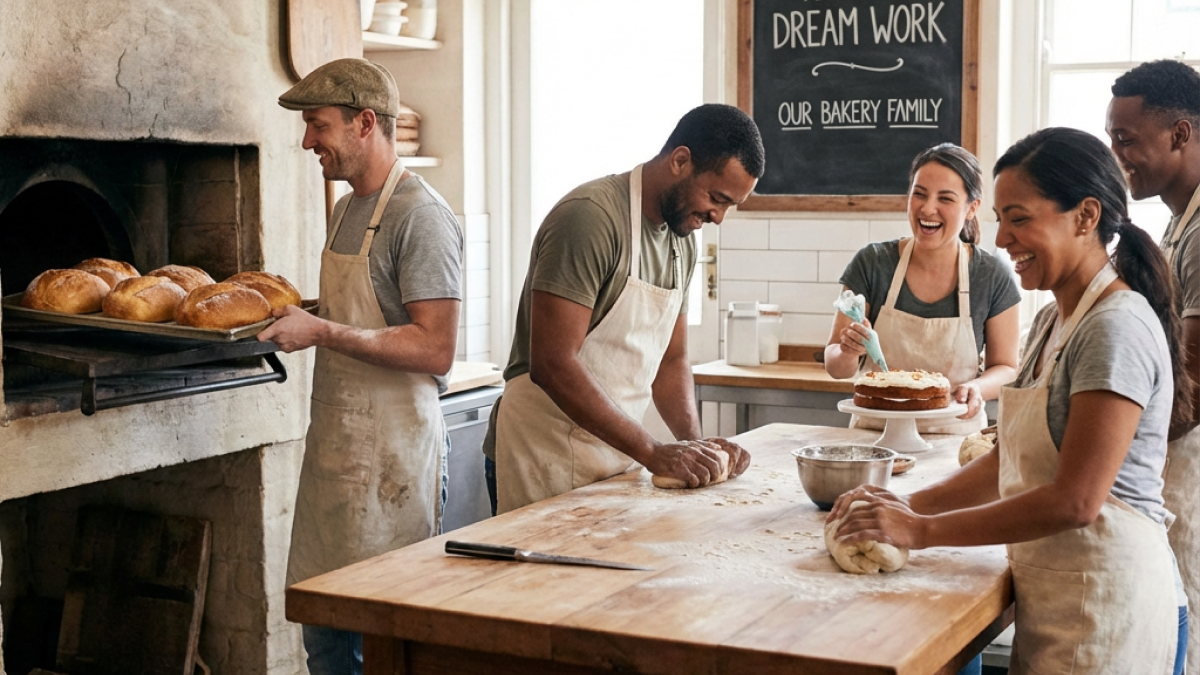
Building a Strong Bakery Team: Culture and Retention
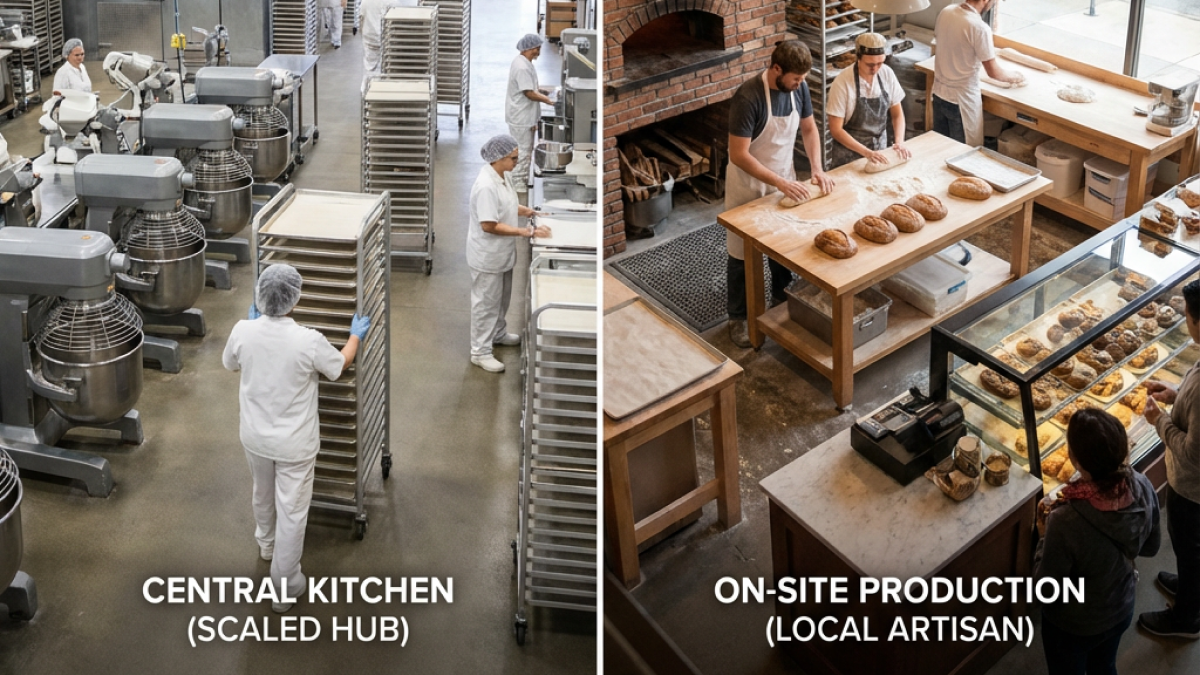
Central Kitchen vs. On-Site Production: Making the Right Choice for Your Bakery
Wholesale Customer Retention: Keep Your Best Bakery Accounts Coming Back