
Bakery Wholesale Sample Program: Turn Tastings Into Profitable Accounts
Published: June 5, 2026
Samples are powerful in bakery sales. A cafe owner can understand a croissant, loaf, or cookie faster by tasting it than by reading any sales sheet.
But a loose sample process can become expensive. Teams give away product, forget to follow up, and never learn which samples actually converted into profitable wholesale accounts.
A bakery wholesale sample program should be treated like a small sales operation, not a random favor.
Start With Buyer Fit
Do not send samples to every interested person.
Qualify the buyer first:
- What type of business are they?
- How many locations do they operate?
- What products do they currently buy?
- What weekly volume do they expect?
- What delivery days do they need?
- Do they meet your minimum order requirements?
- Who makes the buying decision?
Sampling before qualification can waste product on accounts that cannot buy at the volume or margin you need.
Build Standard Sample Boxes
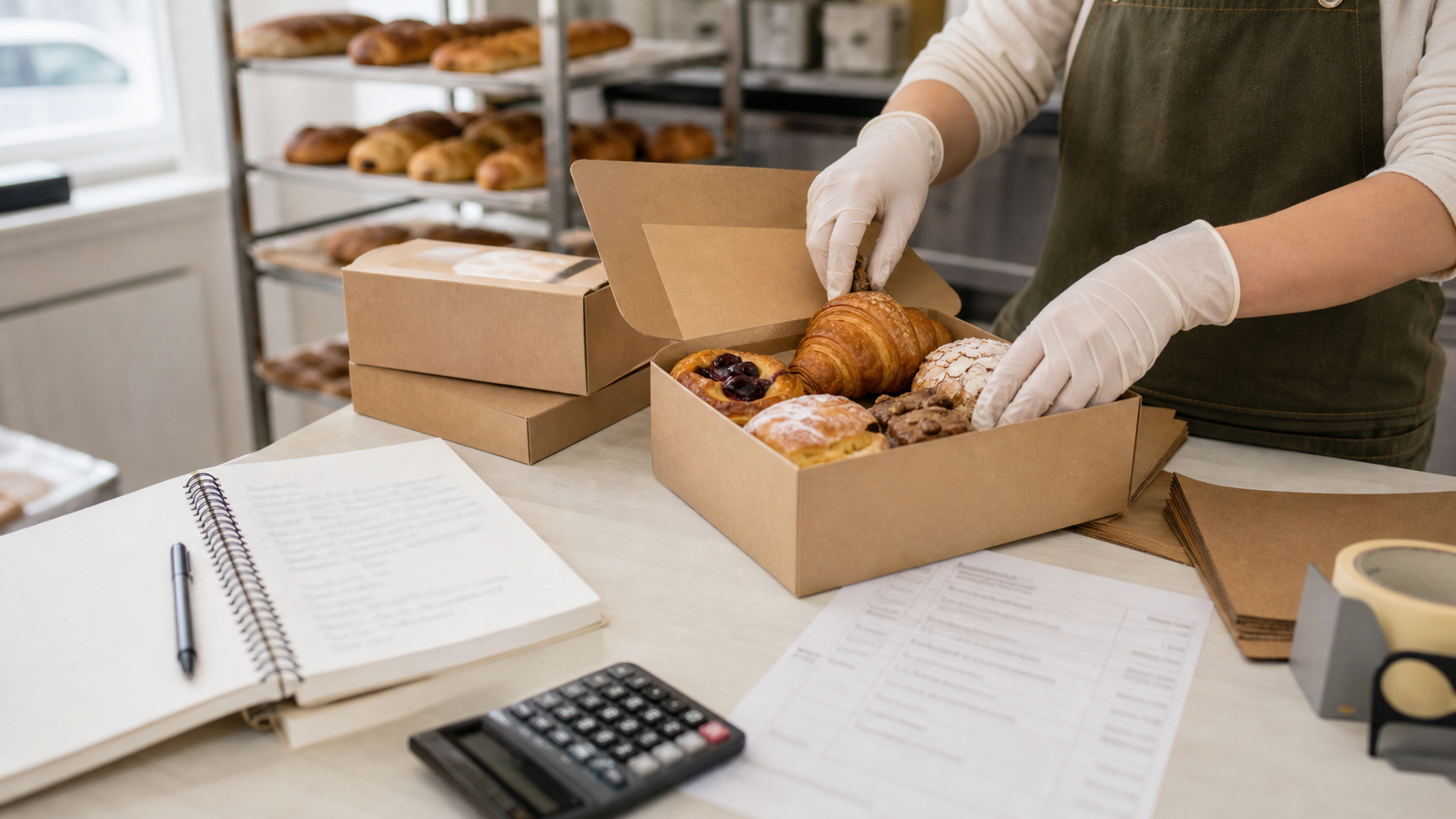
Create a few standard sample boxes instead of building every request from scratch.
Examples:
- cafe pastry box
- sandwich bread box
- dessert bar box
- breakfast catering box
- seasonal wholesale box
Each box should have:
- product list
- serving or finishing notes
- wholesale pack sizes
- shelf-life guidance
- estimated weekly minimum
- follow-up owner
Keep the sample box aligned with the account type. A coffee shop does not need the same box as a hotel breakfast program.
Know the Cost of the Sample
Samples are marketing spend, but they should still be costed.
Track:
- ingredient cost
- labor cost
- packaging cost
- delivery or courier cost
- sales follow-up time
- discount or credit offered
Basic formula:
`text Sample cost = Product cost + packaging + delivery + sales time allocation `
If a sample box costs $42 to produce and deliver, the bakery should know what conversion rate and order size make that expense worthwhile.
Set a Follow-Up Cadence
Most sample programs fail after delivery, not before.
Use a simple follow-up sequence:
- Same day: confirm the sample arrived.
- Next business day: ask what they liked and what did not fit.
- Day 3-5: send suggested first order.
- Day 7-10: ask for a decision or timing.
- Day 14: close the loop or move the account to nurture.
If no one owns the follow-up, the sample becomes a gift.
Track Product Feedback
Feedback should be structured enough to use.
Ask:
- Which product would you consider ordering weekly?
- Which product missed the mark?
- Was portion size right for your customer?
- Was price realistic?
- Did packaging work for your service model?
- What delivery day would fit your operation?
This feedback improves both sales and product mix decisions.
Measure Conversion
Track each sample request through outcome.
Useful sample program metrics:
| Metric | Why it matters |
|---|---|
| Sample requests | Measures top-of-funnel interest |
| Qualified samples sent | Filters serious buyers |
| Sample cost per account | Shows spend discipline |
| First order conversion rate | Measures sales effectiveness |
| 60-day retained accounts | Shows quality of conversion |
| Average first order value | Connects sampling to revenue |
The best sample program is not the one that sends the most boxes. It is the one that creates the right accounts.
Protect Production
Samples should not disrupt paid work.
Set rules:
- sample production days
- cutoff for sample requests
- maximum samples per week
- approved products only
- no custom development without a clear opportunity
When samples become urgent custom work, they can damage the operation before the account is even won.
Decide When Samples Are Free
Free samples make sense when the account has real potential.
Paid samples or credited samples may make sense when:
- the buyer wants a large custom tasting
- delivery distance is high
- the request includes low-fit products
- the buyer is not yet qualified
- the sample box is replacing a catering-style order
One option is to charge a sample fee and credit it toward the first wholesale order.
30-Day Setup Plan
- Define your target wholesale buyer types.
- Create 3 standard sample boxes.
- Cost each box.
- Write qualification questions.
- Assign follow-up ownership.
- Track sample outcomes in one place.
- Review conversion and reorder quality after 30 days.
Sampling should create evidence, not just goodwill.
Try Diced OS to track wholesale samples, first orders, product feedback, and account conversion in one operating workflow. Diced OS